

Research Scholars, Marine Science


Research Scholars, Marine Science

- Pre-college DivisionEarn pre-college credit!


Instructors
2022-2023
Marine Conservation and Technology Facility
We are fortunate to hold our in-person courses in the new SIO MCTF facility. Get a head-start on your marine science journey and join us throughout the year for hands-on research experiences at one of the top marine universities in the world. Network with peers, graduate students, faculty, and enjoy the most beautiful ocean views of La Jolla.
Wet-Lab Space
Working Space
MCTF
Teaching Room
Current Research Projects
š¦Thermoecology at the Rocky Intertidal
Problem: Global biodiversity is declining faster than ever from direct consequences of climate change. The rocky intertidal is one of the most accessible marine coastal environments teeming with an incredibly diverse living community. Because of this unique quality it has immense commercial, recreational, and educational value to communities worldwide. However, this quality also makes these habitats highly susceptible to changing ocean conditions such as sea-level rise, invasive species, and pollution. Monitoring intertidal ecosystems becomes increasingly important as we continue to see global climate changes.
Thermal imaging cameras record infrared radiation (IR) and convert it to a visible image. The primary source of IR is heat or thermal radiation - the warmer something is, the more infrared radiation it emits. Infrared thermography (IRT) is being increasingly utilized by ecologists and physiologists to observe and investigate small-scale thermal variability and thermal stress on the distribution and abundance of marine species.
Students will explore how heat transfers between organisms and their environment using a FLIR thermal camera at various marine ecosystems in San Diego (rocky intertidal, sandy seashore, salt marsh). We will relate our data to organismal anatomy, physiology, thermoregulation, species adaptability, ecology, and/or climate change.
āØCourses:
Tier 1 - Heat Spies: Using Infrared Cameras in Marine Ecology (Spring 2023 - Online)
Tier 2 - Advanced Marine Biodiversity: Life on the Edge (Summer 2023- In Person)
š¦Past Projects:
āProject led by graduate student, Sonya Timko in the Taylor Lab at Scripps Institution of Oceanography
š£Seafood Fraud in San Diego
Problem: Overfishing has become one of the most significant drivers in the decline of wild fish populations - this compounded with climate-related threats will have potentially detrimental effects on marine ecosystems worldwide. Global fisheries provide a vital economy for many communities, especially in developing nations. The goal of fisheries management is to provide sustainable resources with social, economic, and biological benefits. However, even with well managed fisheries many unreported, illegal, and mislabeled catches threaten the effectiveness of conservation practices.
Seafood is an important protein source worldwide and thus susceptible to a variety of fraudulent practices. Seafood mislabeling (substituting an inexpensive species for one of higher value) is surprisingly common in both domestic and international markets. Fish fraud has long been a known problem worldwide; however difficult to regulate. Past studies using DNA barcoding have reported alarmingly high rates of mislabeling.
We are part of a long-term monitoring project of seafood fraud in San Diego Region.
āØCourses:
Tier 1-Seafood Fraud Detective (Winter 2023-Online)
Tier 2 - Advanced Seafood Fraud Detectives (Spring 2023-Hybrid)
āProject advised by Hayley Nuetzel
Program Highlights
Research Posters of SU22 Scholars
Advanced Life on the Edge (SU22)
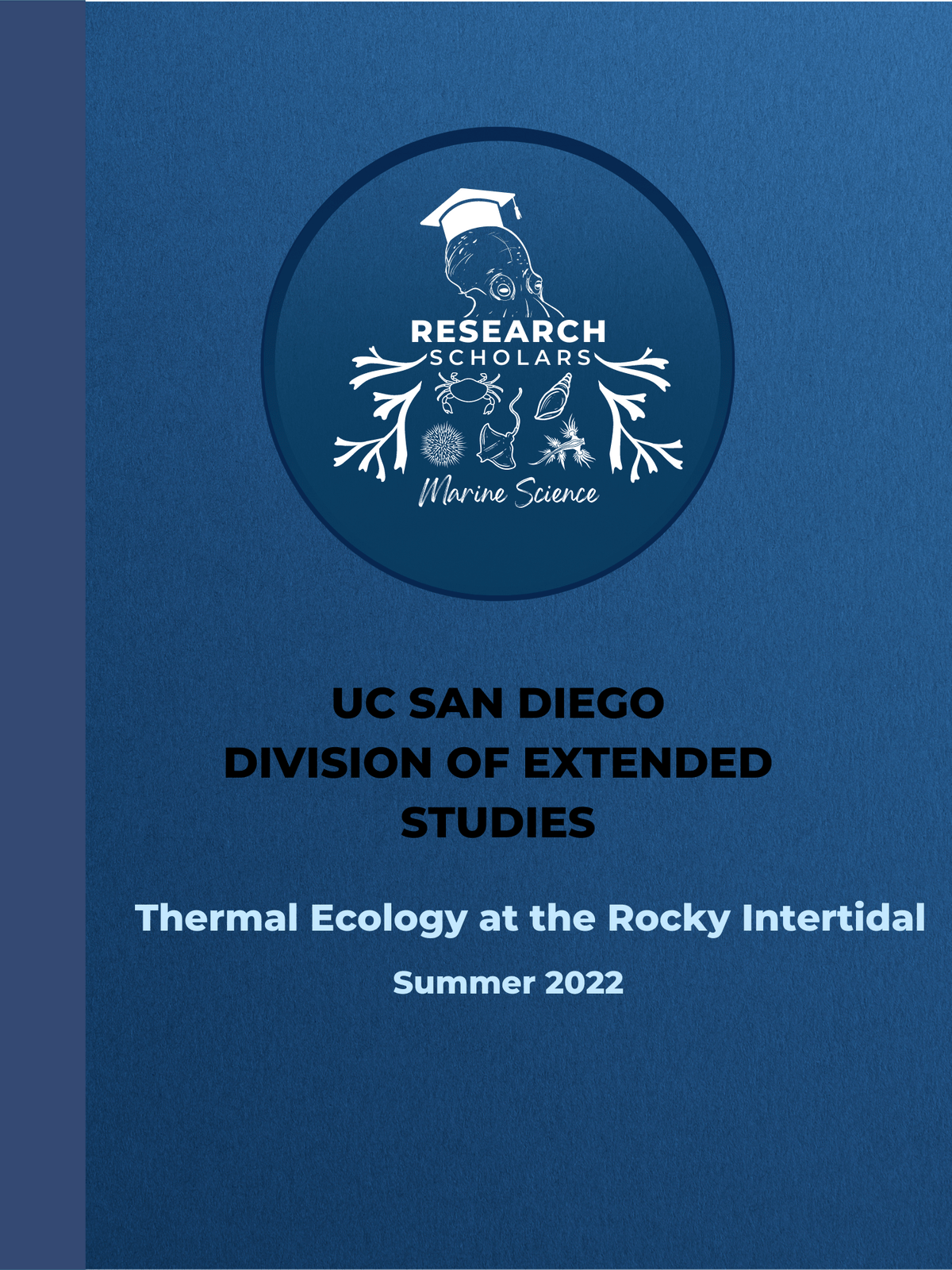
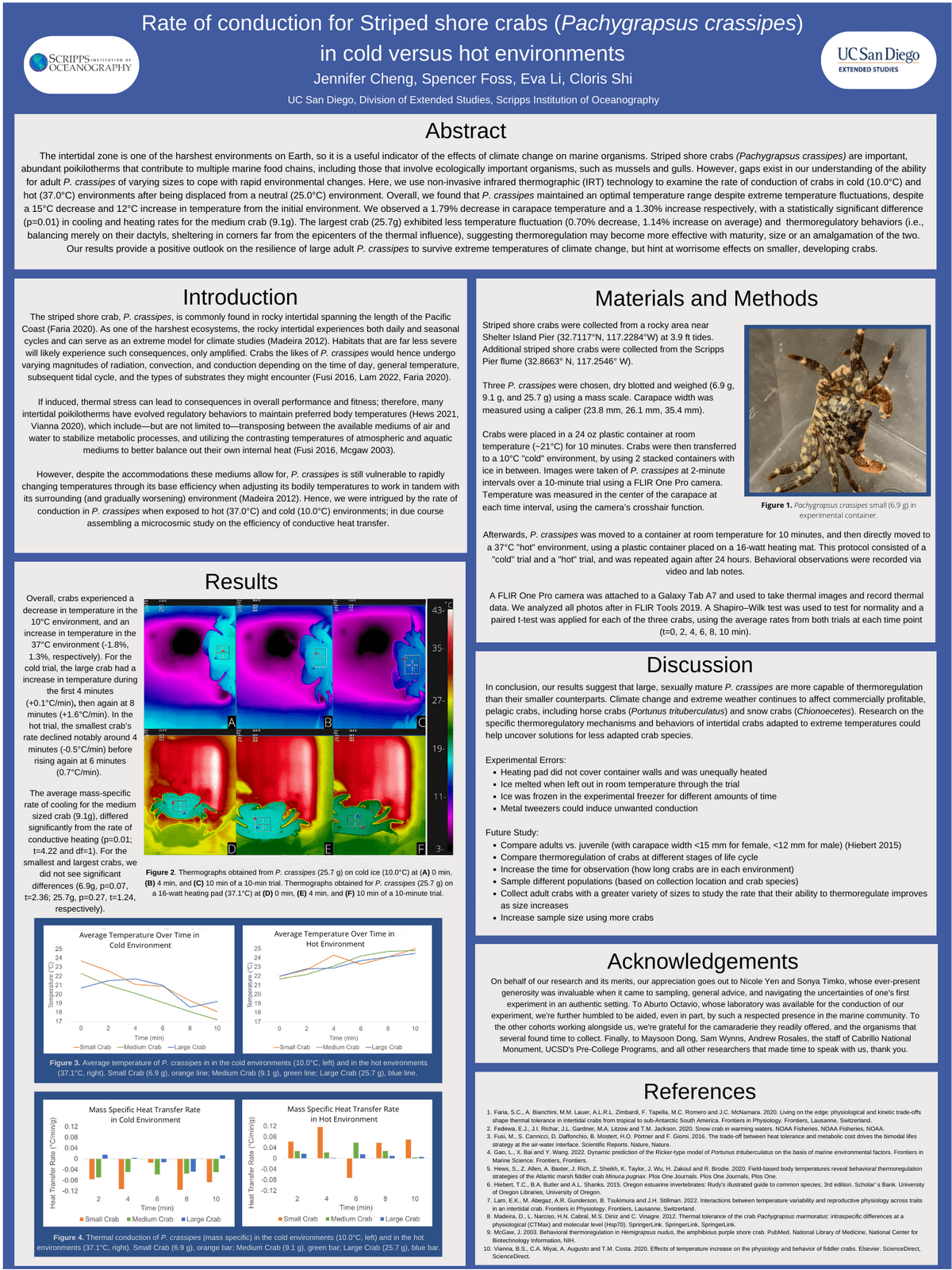
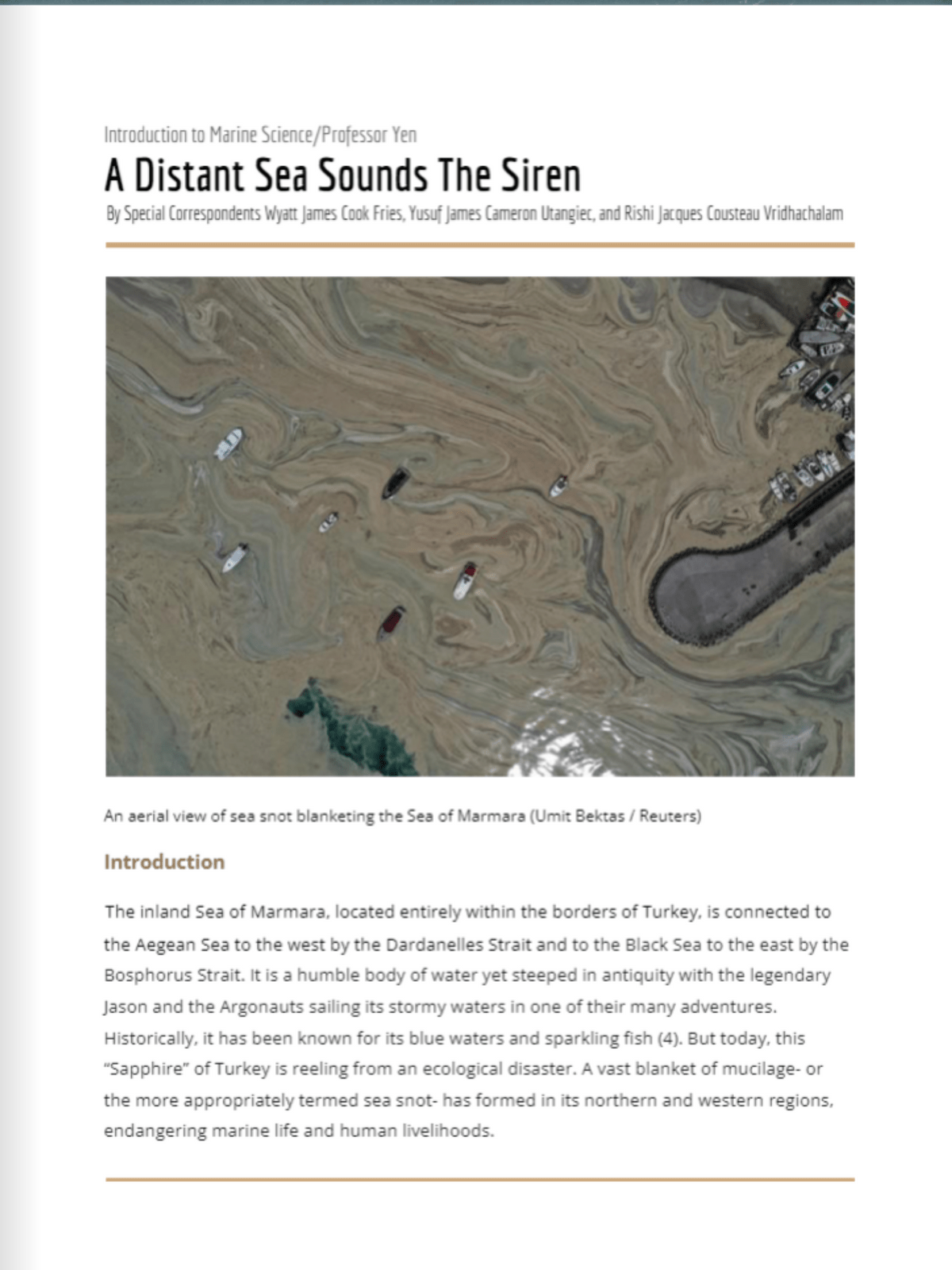
Flipbook of the 5 research posters created by our Tier 2 Advanced Life on the Edge Scholars. Students designed and conducted their own project in 4 weeks.
Posters were presented at Cabrillo National Monument and shared at Surfside, SIO.
š£ļøStudent Interviews
Hear from some of our past students!
Eva L.
(11th grade)
4 courses taken
How was your overall experience for the duration of the Summer, 4 week Tier 2, Advanced Life on the Edge Course?
All expectations were surpassed in the best of ways; a sole complaint Iād take up with the program is that it wasnāt near long enough. But that was always something the instructors touted, and for good reason: they managed to give their students a yearās worth of marine research, field work, and subsequent analysis in a month, without cutting corners off the bigger picture. Their professionalism only made things better.
Why was this program special to you?
Forgive the metaphor, but it was comparable to dabbling oneās toes in the ebb of the sea; as my one venture into the rawer side of marine science, this program gave me many firsts: a lab, a project, two faithfully supportive instructors (whom I owe close to everything), and routine exchanges with active biologists, be they rising or established.
Humbling as those experiences were, there was an unanticipated opportunity to writeāand write in abundanceāthat I was beyond ecstatic about, seeing as I harbor a love for literature as well as the ocean. Pairing the two in a month-long montage of a researcherās life was surreal in a way I long to experience again.
What advice would you give future research scholars?
Ask yourself if this is what you truly want, and then do what you can to commit to it. If you do love what this program offers, and if you do indeed manage to ascend within it, the potential rewards are as bountiful as you make them out to be.
Cesar B.
Spencer F.
Piper R.
Cesar, Spencer, and Piper share their experience during our Summer in-person Tier 2 Research Immersion Program!
We are so grateful for our incredible students!
Interested in teaching for us?
Interested in learning more about the program?
Contact Us
precollege@
nyen@